


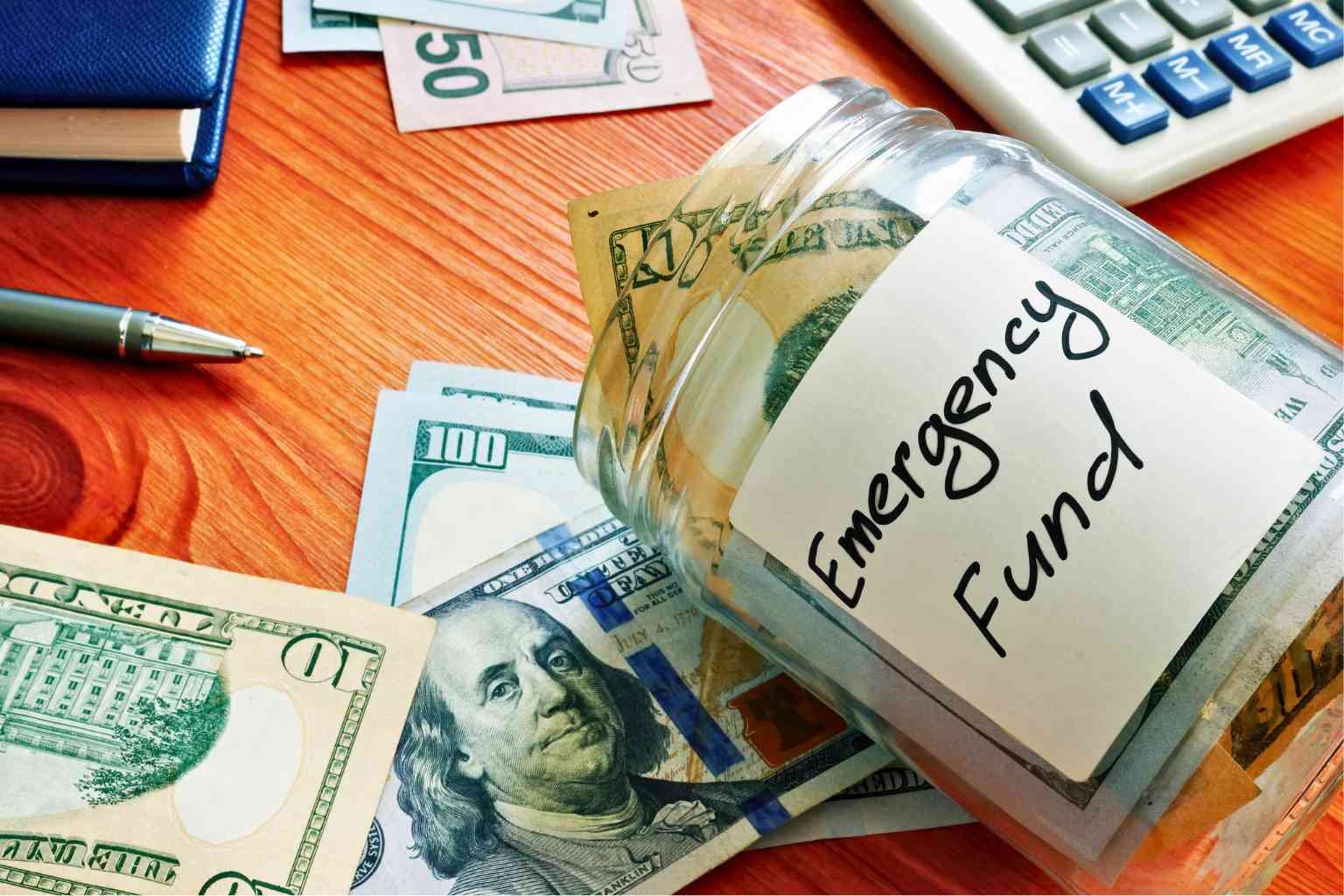
Unexpected circumstances arise, which can lead to financial emergencies. Medical debt, losing a job, or unexpected repairs can be stressful if you do not prepare. This is when an emergency fund is crucial. With costs rising and the economy facing some uncertain conditions entering 2026, part of the financial game plan has become establishing a sturdy emergency fund. It gives safety, peace of mind and financial security during tough times.
1. What Is an Emergency Fund
An emergency fund is money that you save for the sole purpose of covering unexpected expenses. It is not designed for everyday spending or scheduled purchases. This fund serves as a financial safety net.
2. Essential Passive Income Strategies of 2026
Cost of living is rising everywhere, and job markets are unpredictable. Clearly having money set aside will mean people don’t have to take loans or use credit cards for sudden expenses.
3. How Much Should You Save
How much you need to set aside will vary according to your way of life and spending habits. A commonly cited rule is to have three to six months’ worth of your monthly expenses saved. But in 2026, many experts recommend saving even more if you can.
4. Factors That Affect Your Emergency Fund Size
Your emergency fund will vary based on a few personal factors:
- Monthly income and expenses
- Job stability and industry risk
- Family responsibilities
- Existing loans or liabilities
- Lifestyle and spending habits
These are the factors that will help tell you how much you need to be saving.
5. How to Create an Emergency Fund
A plan become easier to save up the emergency funds:
- Calculate your monthly expenses
- Set a realistic savings goal
- Establish a saving habit every month
- Maintain an emergency fund in a separate account
- Meaning do not use that fund for any thing but emergencies
These steps establish a solid financial foundation.
6. Where to Store Your Emergency Fund
It’s crucial to have an emergency fund accessible in a secure place. For this purpose, generally savings account, liquid funds or low risk investment options are used.
7. Advantages of an Emergency Fund
An emergency fund offers a number of financial and emotional benefits:
- Reduces financial stress
- Prevents debt during emergencies
- Provides financial security
- Supports better decision making
- Assists in maintaining lifestyle during hard times
Such past benefits claim its significance in financial planning activity.
8. Common Mistakes to Avoid
Common mistakes people make with emergency funds:
- Not saving enough money
- Utilizing the fund for ordinary expenses
- Keeping funds in risky investments
- Ignoring inflation and rising costs
- Delaying savings for too long
These mistakes can hurt your financial stability.
9. Emergency Fund vs Investment
Emergency funds are not the same as investments. Investments are for growth; emergency funds are for safety and liquidity. Both are significant but fulfill dissimilar needs.
10. The Future of Financial Planning
It is now 2026, and people are more financially aware. More people are recognizing the value of savings and planning. Emergency funds will remain an essential part of personal finance plans.
Key Takeaways
Emergency funds play a crucial role in handling unforeseen financial circumstances. Having at least three to six months worth of expenses in savings can help bring you security and peace. Creating this fund slowly and spending it wisely enables one to avoid financial anxiety and lessen the chaotic nature in troubled times.
FAQs:
Q1. What is an emergency fund?
It is cash put aside for unexpected financial situations such as medical emergencies or job loss.
Q2. How much to save in an emergency fund?
You need it to be around three to six months worth of your expenses.
Q3. How do I store my emergency fund?
It should be parked in safe, liquid options such as savings accounts or liquid funds.
Q4. Can I put my emergency fund in an investment?
Please store an amount on low risk and highly available instruments rather than high risk investements.
Q5. How long should it take to build an emergency fund?
And it only requires a plan for income and savings, but regular contributions can help you build this over time.
