


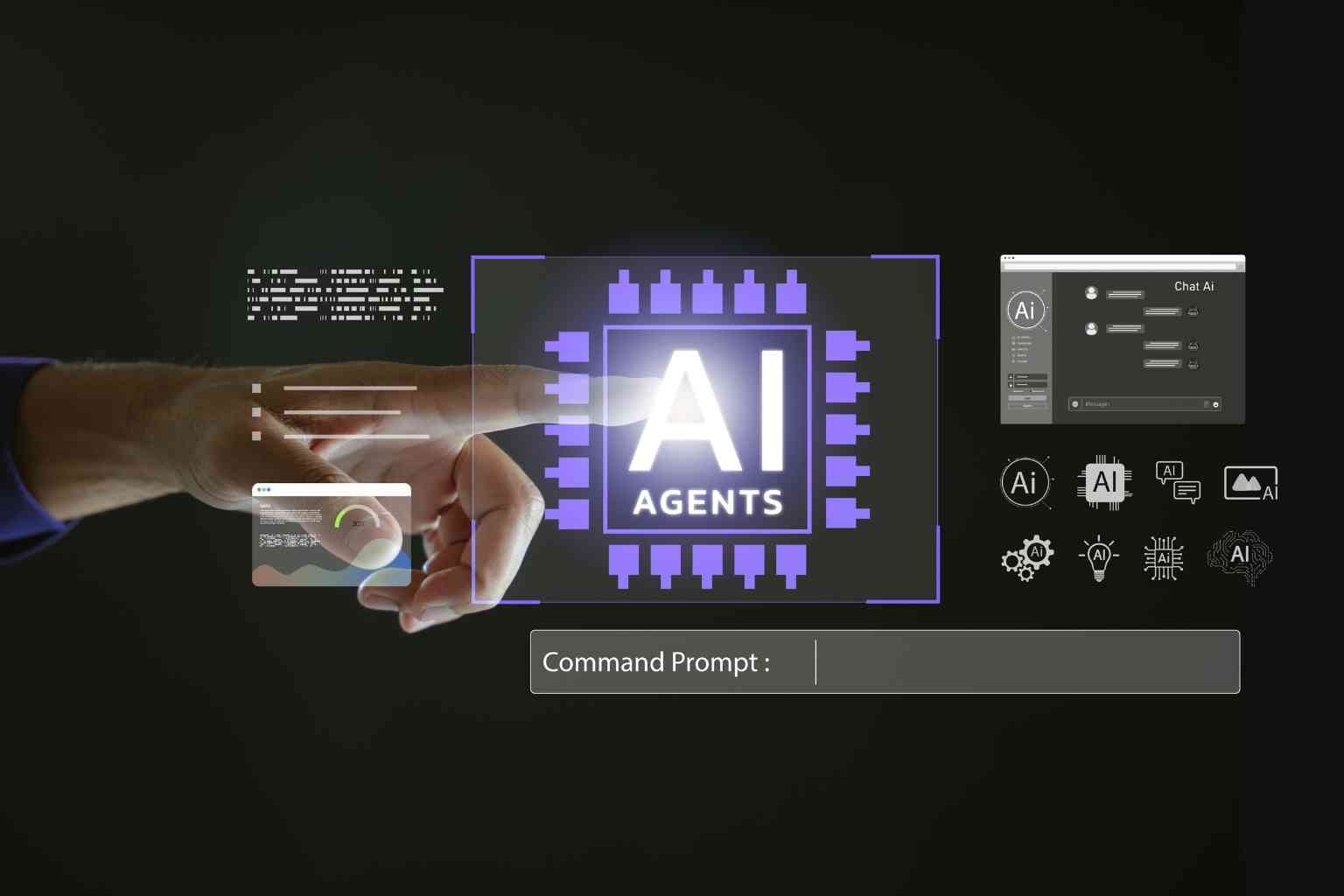
And automation is transforming how much work gets done across industries. Jobs that needed manual labor have since become the domain of machines and algorithms. Automation can now perform repetitive tasks like data entry, manufacturing processes, and anything as simple as routine operations at a faster speed with much higher accuracy. This is saving both time for businesses and preventing errors, allowing people to focus on more work that matters while improving productivity.
1. What Is Automation
Automation is defined as the use of technology, machines or software to perform tasks with minimal human intervention. It is widely used in manufacturing, IT, healthcare to finance sectors.
2. Why Automation Is Becoming Important
Automation in Business Ӏ Exploring Various Solutions for Efficiency: Automation is also helping to get work done quickly and consistently as workloads increase.
3. Key Benefits of Automation
There are a few benefits of automation that reduce human efforts:
- Faster task completion
- Reduced human errors
- Improved accuracy and consistency
- Lower operational costs
- Increased productivity
These benefits are why automation is significant for modern businesses.
4. Repetitive Tasks We Automate Today
Automation is the bread and butter for any repetitive task, be it data entry, invoice processing, customer support chatbots, or assembly line production.
5. How Automation Improves Workplace Efficiency
Automation frees employees to do creative and strategic work instead of rote tasks:
- Saves time from manual processes
- Improves workflow management
- Enhances team productivity
- Speeds up decision making
- Improves service quality
They empower businesses to scale up quicker.
6. The Role of Artificial Intelligence in Automation
AI helps in automating processes by allowing systems to learn and take decisions. It can analyze data, derive predictions and optimise processes over time.
7. Impact on Different Industries
Automation is transforming multiple industries. In manufacturing, machines take care of production. In offices, computer programs take care of administrative tasks. Automation in healthcare aids diagnostics and patient management.
8. Benefits for Employees
Automation provides value not just to companies, but to workers too. It lightens the load, lowers stress levels and allows workers to concentrate on upskilling and more valuable work.
9. Challenges of Automation
Automation does have challenges such as concerns about job displacement and the need for new skills, but it also has its advantages. Workers are required to deal with shifting workplaces.
10. The Future of Automation
As technology advances, automation will continue to grow. Further verticals will embrace automated solutions to become more effective and less expensive. Human involvement will focus on operating and refining these systems.
Key Takeaways
Decent speed, accuracy, and efficiency are the active ingredients for automation to cut human endeavor in repetitive actions. It enables companies to work better whilst empowering workers to engage in fulfilling and creative tasks. Automation is evolving and will be a significant force in the future of work.
FAQs:
Q1. What is automation?
Automation involves the use of technology to perform tasks without human intervention.
Q2. Automation reduces human effort in several ways?
It handles mundane tasks swiftly and sensibly, getting rid of manual effort.
Q3. Which industries use automation?
Manufacturing, healthcare, finance, IT and all the rest.
Q4. Does automation replace jobs?
It will alter job functions, but it will generate opportunities too.
Q5. Will automation explode in the future?
Sure, automation will spread even farther as the tech gets better.
