


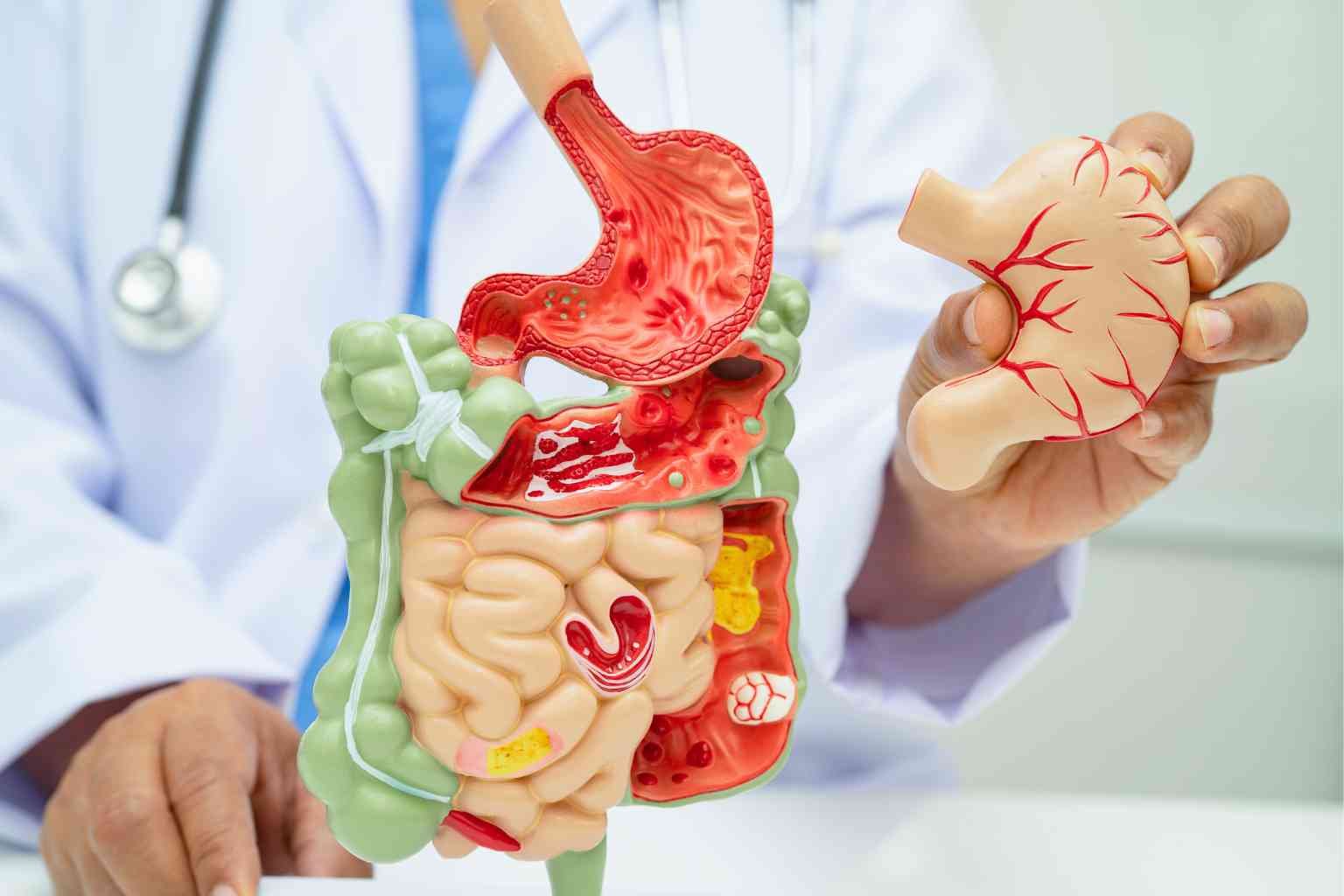
In recent years, the link between gut health and mental wellness has increasingly captured the attention of health experts. The gut is not merely for digestion. It also plays an important role in our mood, our thoughts and how we cope with stress. By 2026, a growing number of people are accepting how healthy guts can help promote healthy minds. This connection is sometimes called the gut brain link and it’s a game changer in our view of overall well being.
1. What Is Gut Health
Gut health essentially balances good bacteria and microorganisms in the digestive system. A healthy gut aids proper digestion and nutrient absorption in the body.
2. What Is Mental Wellness
Mental wellness covers balance of emotions, stress management and overall mental state. It informs how we think, feel and behave in the world on a day-to-day basis.
3. Understanding the Gut Brain Connection
There’s a bidirectional communication pathways between the gut and the brain called the gut brain axis. This system enables messages to travel between the digestive system and the brain, affecting mood and mental health.
4. How Gut Health Affects Mood
The gut produces key chemicals like serotonin, which shapes chronic sleep deprivation. A healthy gut promotes better emotional regulation and less stress.
5. The Mental Health Benefits of Having a Healthy Gut
Here are some mental health benefits of keeping your gut in good order:
- Improved mood and emotional stability
- Reduced stress and anxiety levels
- Better focus and concentration
- Improved sleep quality
- Increased overall energy
These benefits demonstrate the importance of gut health for mental wellness.
6. Foods That Support Gut Health
Some foods that promote a healthy gut and mental well being:
- Probiotics from yogurt and fermented foods
- The foods include fiber-rich fruits and vegetables
- Whole grains for better digestion
- Healthy nutrients (Nuts and seeds)
- Plenty of water for hydration
A healthy and balanced diet contributes to good gut health.
7. Lifestyle Factors and Gut Health
Regular exercise, proper sleep and stress management are lifestyle habits that also impact gut health. Healthy routines are good for digestion and mental wellness as well.
8. Signs of Poor Gut Health
The following signs can indicate an unhealthy gut:
- Frequent digestive issues
- Low energy levels
- Mood changes or irritability
- Poor sleep patterns
- Difficulty concentrating
Awareness of these signs can allow for early intervention.
9. Importance of Balance and Consistency
Gut health is inherent, but you have to keep up healthy habits forever. Small changes to your diet and lifestyle every day can lead to big differences in the long run.
10. Future Focus on Gut Health Awareness
[“Gut Health Awareness – A Trend” by Gut Health Agency 19 Oct 2023]
By 2026, more people are focusing on holistic health. The link between gut health and mental well-being will shape diet, lifestyle choices, and even healthcare practices for years to come.
Key Takeaways
- There is a connection between gut health and mental health the Gut Brain Connection
- A healthy digestive system leads to a better mood, focus, and emotional balance
- Eating a balanced diet and living healthy lifestyle habits can improve an individual’s physical as well as mental well being
FAQs:
Q1. What is the Gut Brain Connection?
It is the connection between the gut and brain that influences mood and mental well-being.
Q2. Does gut health influence mental wellness?
The answer is yes: A healthy gut animal can enhance your mood, minimize stress levels, and clarify thinking.
Q3. What foods improve gut health?
Foods such as yogurt, fruits, vegetables and whole grains promote gut health.
Q4. What is the connection between gut health and mood?
The gut produces chemicals, including serotonin, that affect mood and emotions.
Q5. Are there steps we can take to improve gut health?
Well, a good diet, exercise and sleep boosts a healthy gut.
