


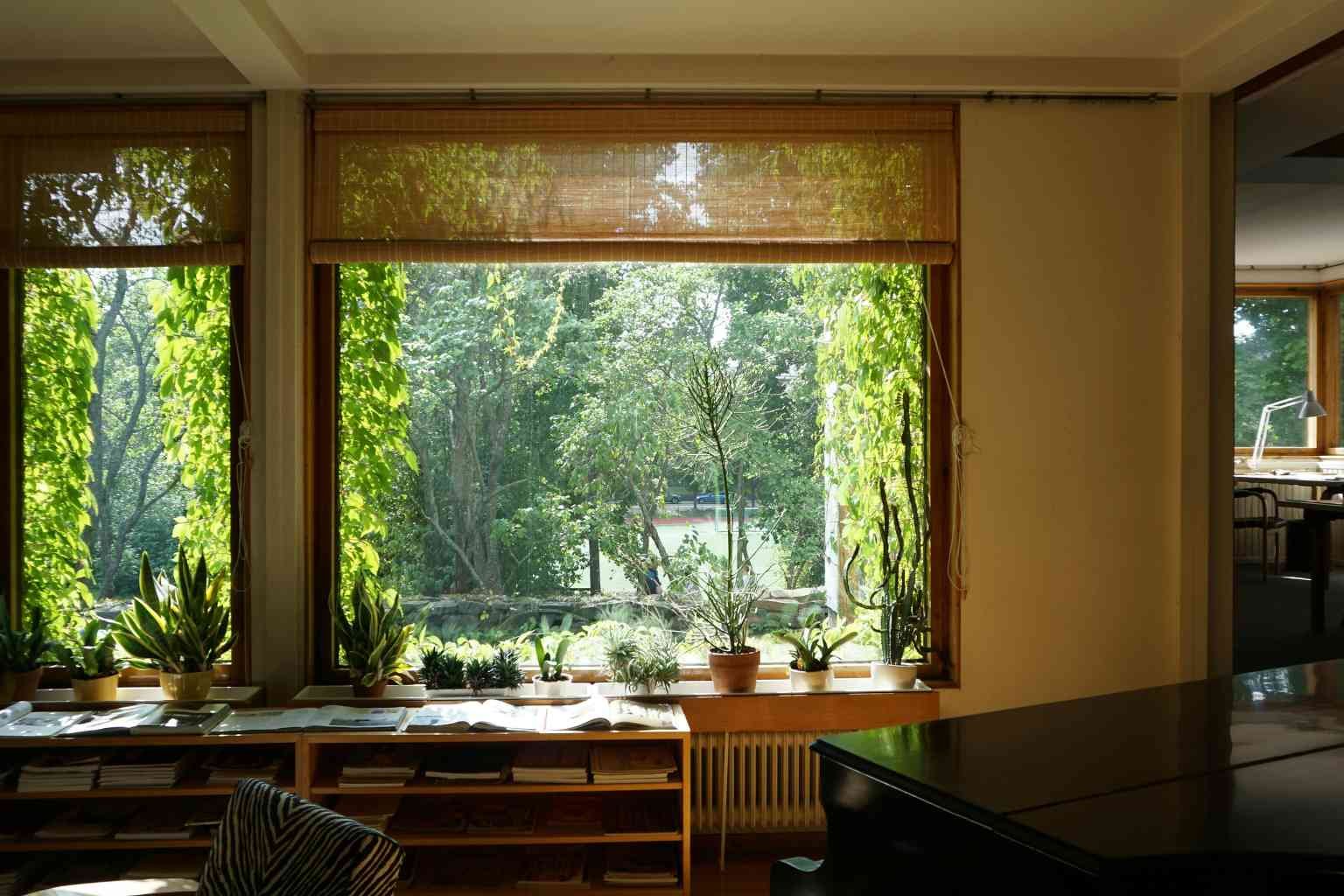
Good ventilation is critical for a healthy home. You also stay active physically and mentally with fresh air. In many cases, homes do not have facilities for proper airflow and can create problems like bad smell, humidity, breathing issues in the long run. Poor air movement can also raise dust and indoor pollution. Ventilation will help keep your home more comfortable and safer for you and your family.
1. Understand Why Ventilation Is Important
It ventilates, allowing the new air in and stale air to escape. The moisture is diminished, harmful gases are removed, and balanced temperature is maintained. Adequate airflow also helps in alleviating allergies and enhances overall wellbeing.
2. Open Windows and Doors Daily
One of the easiest ways to increase ventilation is simply opening windows and doors. Even cracking them for 20 to 30 minutes a day lets new air in. This easy habit prevents indoor pollution and keeps the home feeling fresh.
3. Use Cross Ventilation
Cross ventilation: moving air into one side and out the other. It allows air to flow in and out naturally within the house. If your home has windows on opposite walls, open them at the same time to enhance cross-flow.
4. Install Exhaust Fans
Exhaust fans are very much useful in the kitchen and bathroom area. You are there to eliminate smoke, humidity and odors. This aids in maintaining clean air and fights dampness.
5. Improve Your Air Quality With Indoor Plants
Increasing Air Quality with Indoor Plants They take in harmful gases and emit oxygen. Certain plants also reduce indoor pollution and purify the air.
6. Use Ventilation Friendly Furniture Placement
Windows and air paths must not be blocked by the furniture. Leave space around windows so air can flow freely. Do not store bulky items in front of ventilation areas.
7. Benefits of Good Home Ventilation
Proper ven tilation offers many advantages:
- Reduces indoor air pollution
- Prevents moisture and mold growth
- Improves breathing and health
- Keeps the home cool and fresh
- Reduces bad smell
These advantages make ventilation essential for everyday living.
8. Use Modern Ventilation Systems
If you find that natural ventilation is not sufficient, there are mechanical systems available. Things like air purifiers, ceiling fans and air exchangers are also useful for airflow. These tools are especially helpful for urban homes where outside air is limited.
9. Common Mistakes to Avoid
So ignore many people do basic rules of ventilation. Avoid these common mistakes:
- Keeping windows closed all day
- Not cleaning exhaust fans regularly
- Blocking airflow with heavy curtains
- Ignoring moisture problems
Correcting these errors will quickly reduce air pollution.
10. Future of Home Ventilation
Smart ventilation systems in modern homes These systems automatically regulate airflow depending on temperature and air quality. Futuristic homes will be designed for natural&healthy passages of air.
Key Takeaways
Good ventilation is essential to a healthy, comfortable home. Simple actions like cracking open windows, running exhaust fans and keeping the air moving can also have a significant impact. Good air quality is beneficial for mental and physical health.
FAQs:
Q1. Why is home ventilation important?
It refreshes the air, cleans out pollutants and enhances health.
Q2. How do I get more ventilation without doing any work?
Make sure to open windows and doors every day and create cross ventilation.
Q3. Are indoor plants good for ventilation?
Yes, they really help improving air quality and freshness.
Q4. Where do you install exhaust fans?
In kitchens and bathrooms where there’s a lot of moisture and smoke.
Q5. Can poor ventilation affect health?
Yes, it can lead to breathing problems, allergies and discomfort.
