


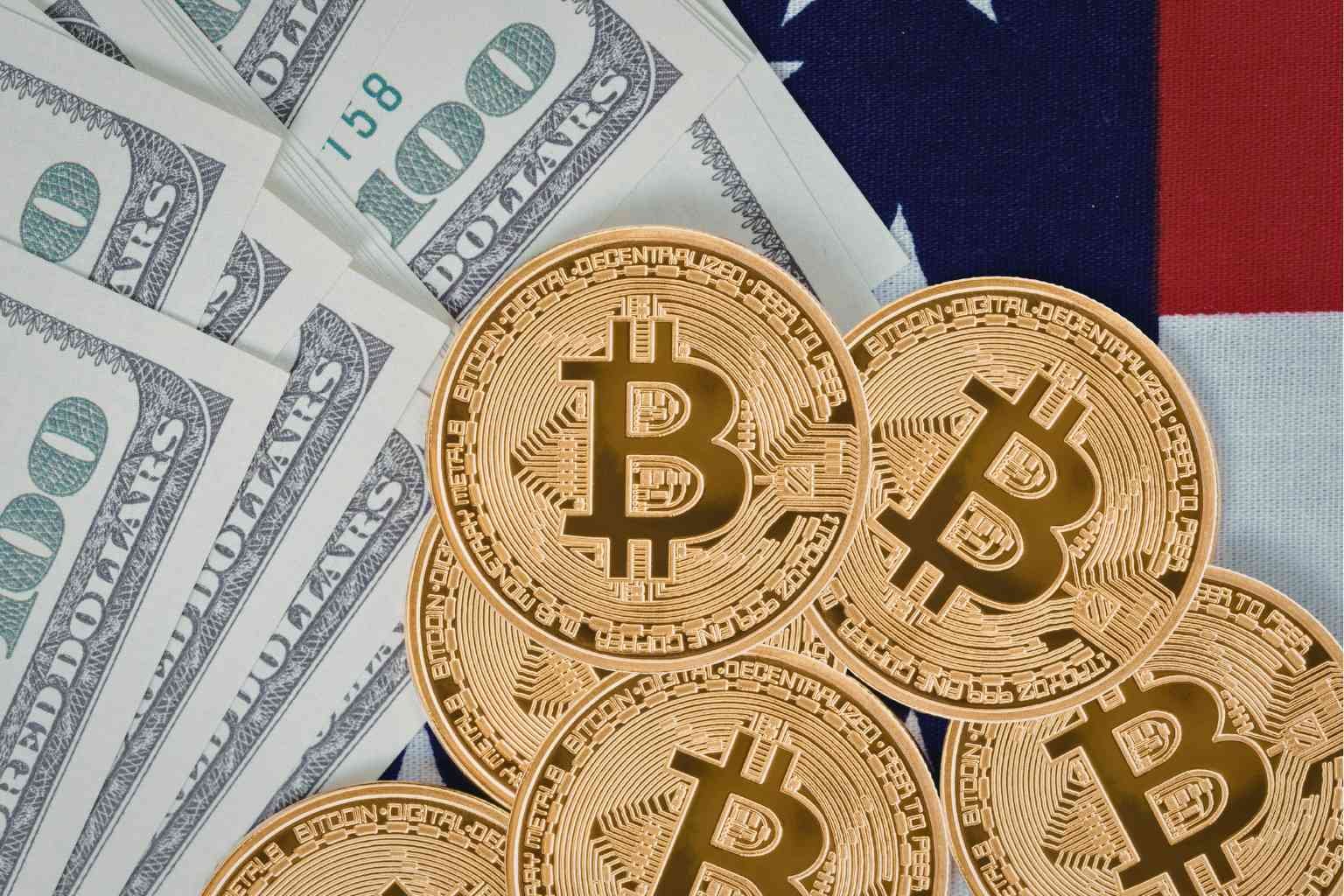
Everything has new outlook on money and investments due to cryptocurrency. Cryptocurrency: Digital currencies like Bitcoin and Ethereum became popular in many parts of the world. But this growth needs proper regulation with a similar type of increase. Governments and financial regulators are now updating their rule books to ensure that crypto markets operate more safely and transparently. For investors, it is crucial to have insight into the future of cryptocurrency regulations in order to make informed decisions.
1. What Are Cryptocurrency Regulations
Cryptocurrency regulations refer to the policies and laws that governments have enacted in order to regulate the use, trade, and management of digital currencies. Such regulations help to deter fraud, safeguard investors, and maintain financial stability.
2. Why Regulations Are Becoming Necessary
While more people have invested in cryptocurrencies, the risks of fraud, scams and market manipulation have grown. Regulatory limits minimize these risks and establish a safer playing field for investors.
3. Key Goals of Crypto Regulations
Governments have a few important objectives to achieve when formulating crypto regulation:
- Preventing fraud and scams against investors
- Combating illegal activities like money laundering
- Ensuring transparency in crypto transactions
- Maintaining financial system stability
- Encouraging responsible innovation
To this end, these goals try to balance safety with growth.
4. How Regulations Affect Investors
Regulatory can create opportunities as well as challenges for Investors. Although stricter rules can limit some activities, they also enhance the confidence and safety of market participants.
5. What Investors Can Look Ahead Towards
Here are some changes and predictions for the coming years:
- Increased identity verification and compliance rules
- Transparent crypto transactions taxation policy
- Tighter control of exchanges and platforms
- Stronger safeguards against hacks and fraud
- Making global benchmarks for crypto trading standard
- These changes will define the future of crypto investing.
6. Governments and Financial Authorities Role
Regulations on the crypto markets by governments and central banks. Other nations are also examining whether to mint their own digital currencies, in an effort to compete with private cryptocurrencies.
7. Impact on Crypto Market Growth
If implemented correctly, regulations can help stabilize the market by reducing uncertainty. When investors are confident, more people tend to invest — and that can bolster long-term growth.
8. Challenges in Regulating Cryptocurrencies
Cryptocurrency is a global, decentralized system that isn’t easy to regulate. This can cause confusion for investors and businesses, as each country has its own rules.
9. Importance of Staying Informed
Increased regulation in your country should afford you protection. Clarifying new rules helps prevent legal problems and makes it easier to budget.
10. The Future of Crypto Investing
As regulations become clearer, cryptocurrency will further develop. Those investors who can see both sides of the rock will be better positioned to thrive in an evolving marketplace.
Key Takeaways
Moving forward, cryptocurrency regulations are committed to bringing about safer and more transparent markets. Although new rules could change things, they also could add trust and stability in crypto investing. Investors can make more intelligent and safer financial decisions by remaining current with the latest news and adapting to new regulations.
FAQs:
Q1. What are cryptocurrency regulations?
They are rules governing the use and trade in digital currencies.
Q2. Why are crypto regulations important?
They safeguard investors and lessen risks like scams and fraud.
Q3. Will regulations affect crypto prices?
Note: new regulation can impact trends and investor behavior.
Q4. Are cryptocurrencies legal everywhere?
No, the law differs between countries.
Q5. Should investors follow regulatory updates?
Yes to have the knowledge about them you can make better and safer decisions in stocks.
